Historic Timber Building & Conservation
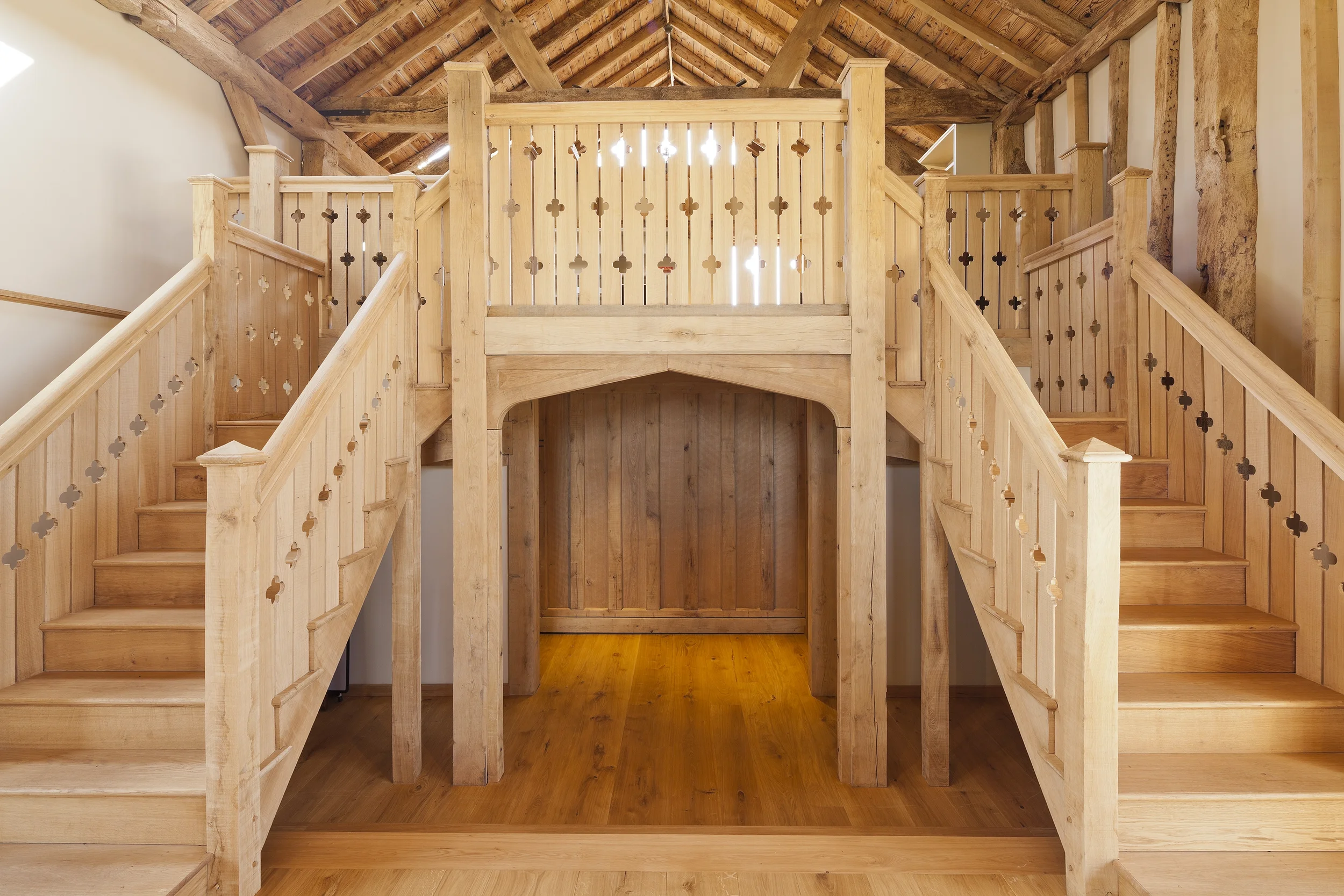
Andrew brings his experience of contemporary oak frame fabrication, design and construction into his conservation work. This allows solutions to be considered, balancing traditional repair approaches with an understanding of engineering, timber specification and buildability, with the aim of achieving sympathetic and durable repairs.
Historic timber buildings are the result of centuries of craft skill, adaptation and repair. Understanding them requires more than an academic assessment alone, it requires one to understand how and why these buildings were made, altered and maintained over time. Conservation and repair should be seen as part of a continuum rather than as a necessary evil.
Repairs carried out by past occupants, including pragmatic and sometimes unconventional solutions, form an important part of a building’s story. The approach seeks to understand and respect this evolution, retaining historic fabric where possible, whilst ensuring buildings remain functional and durable.
We should not forget the importance of considering affordability and clients budgets whilst specifying repairs.
Services for historic timber conservation and construction include
-
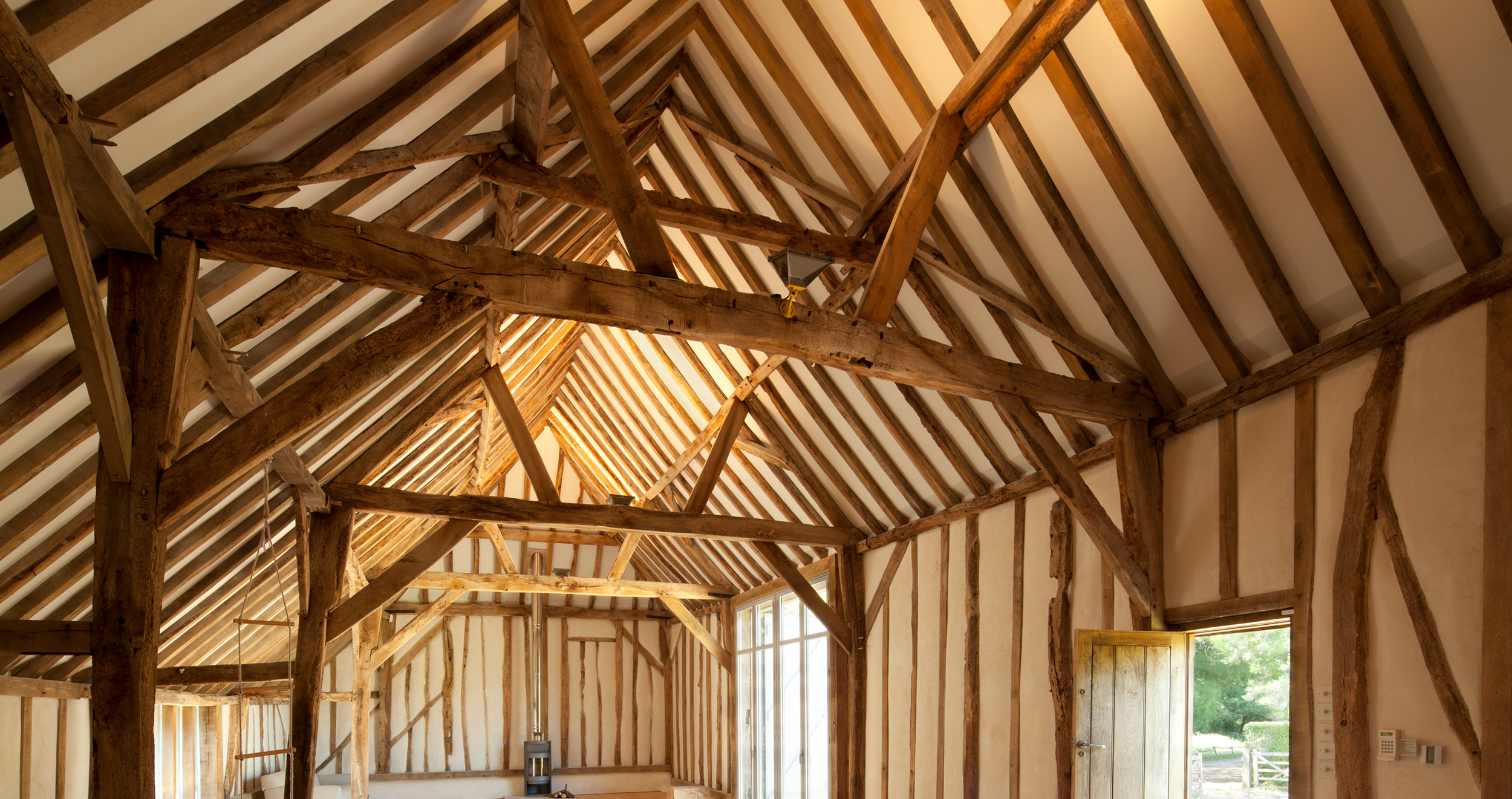
Inspection of the timber frame, plinth walls, infill panels, wall and roof cladding to assess condition. Surveys are undertaken with an in depth understanding of historic construction methods and timber behaviour.
-
Measured and drawn surveys of timber structures, recorded frame by frame and presented ‘as existing’ and ‘as repaired’ drawings. These provide a clear and easily read record of the frame and are increasingly required by conservation officers as part of the consent process.
-
Advice on dendrochronology and the use of historic maps and documentary sources to assist in establishing the age and evolution of a building.
-
Assessment of building form, layout and structural typology to understand historic use, development over time and features of particular interest or significance.
-
Assessment of historic and architectural significance, advice on listing, and preparation of heritage impact statements to support planning and listed building consent applications.
-
Identification of timber species and historic conversion methods, including hewn, pit-sawn and band-sawn beams, etc., to inform appropriate repair strategies.
-
Cary out investigation into causes of timber decay and identification of wood boring insect species where present, with advice grounded in an understanding of construction and building remediation.
-
Advice on practical repair methodology and likely costs to support informed decision making by clients and project teams.
-
Guidance on the appointment of appropriate specialist consultants, including building archaeologists, dendrochronologists, engineers, architects, planning consultants and carpenters, to support project progression.
-
Delivery of CPD sessions focused on best practice conservation principles and the repair of historic timber structures for professional audiences.
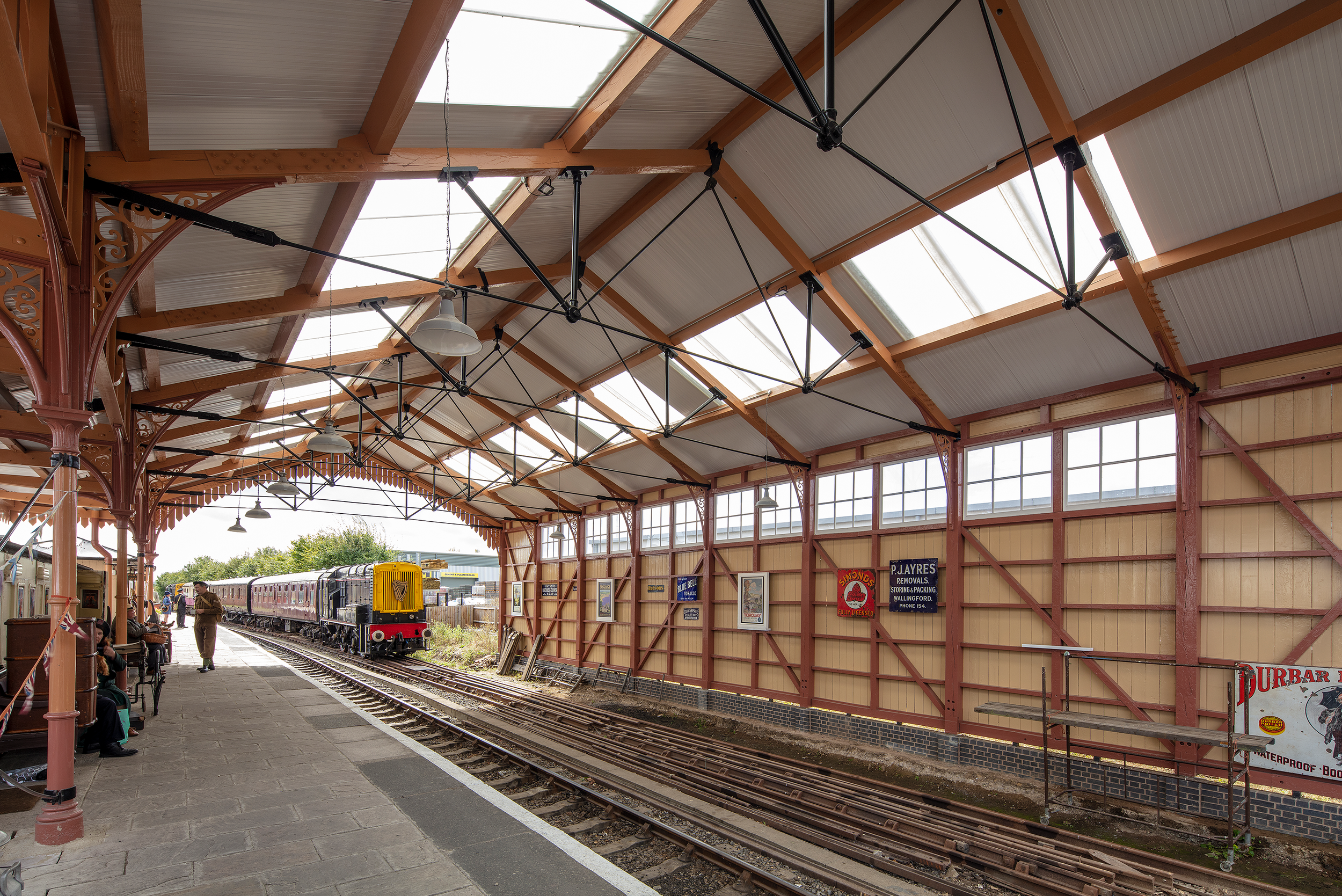
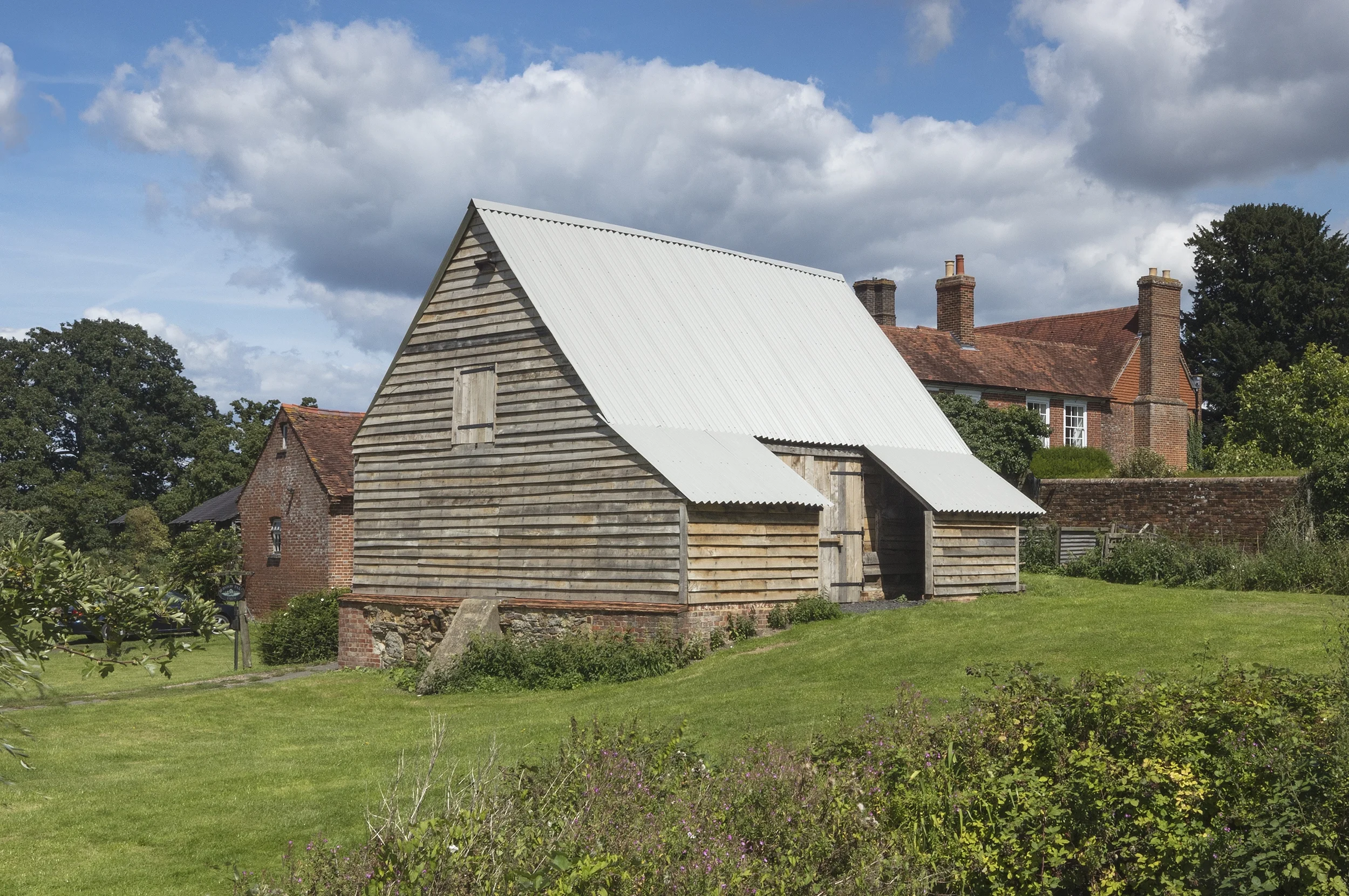
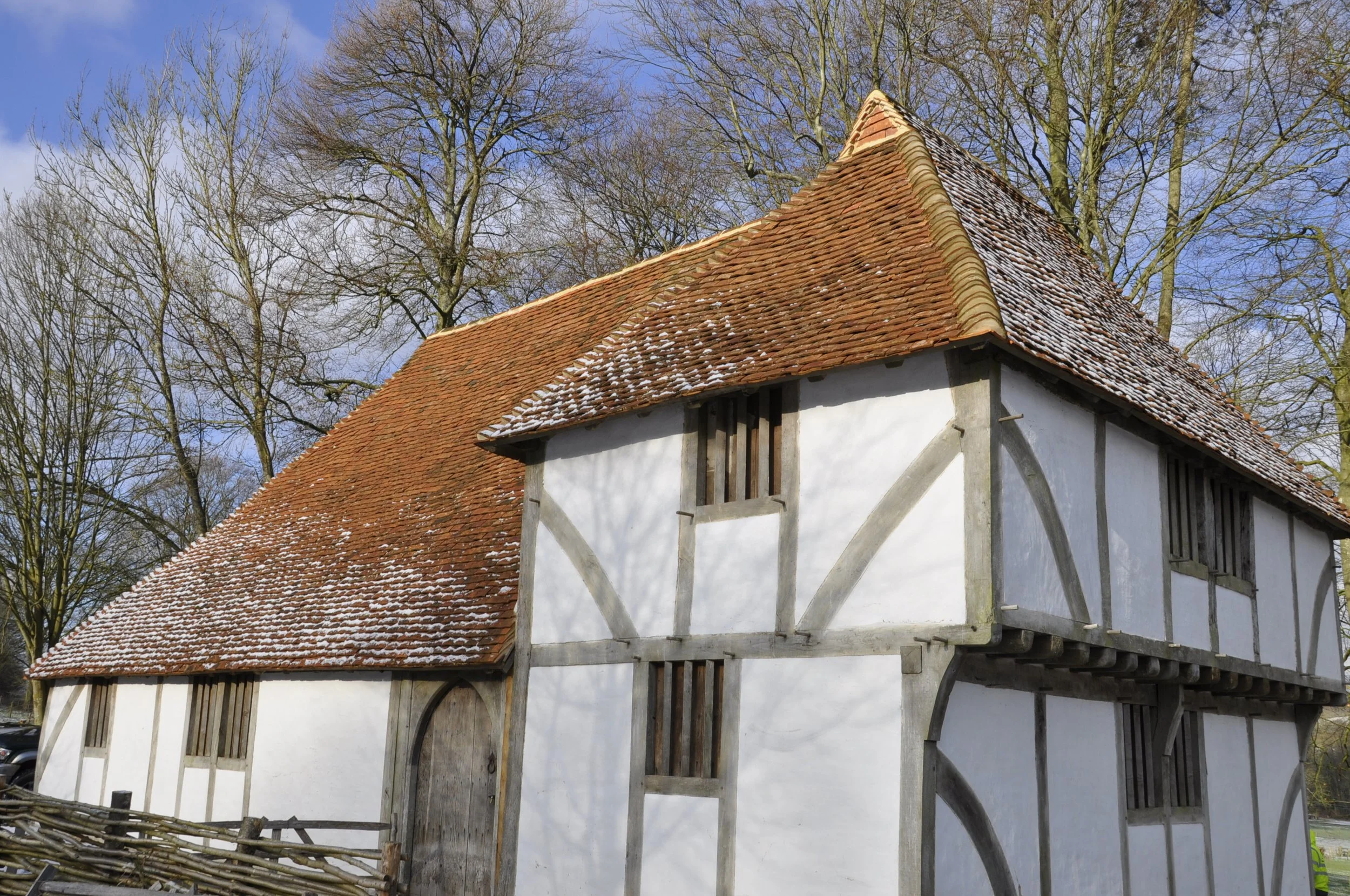
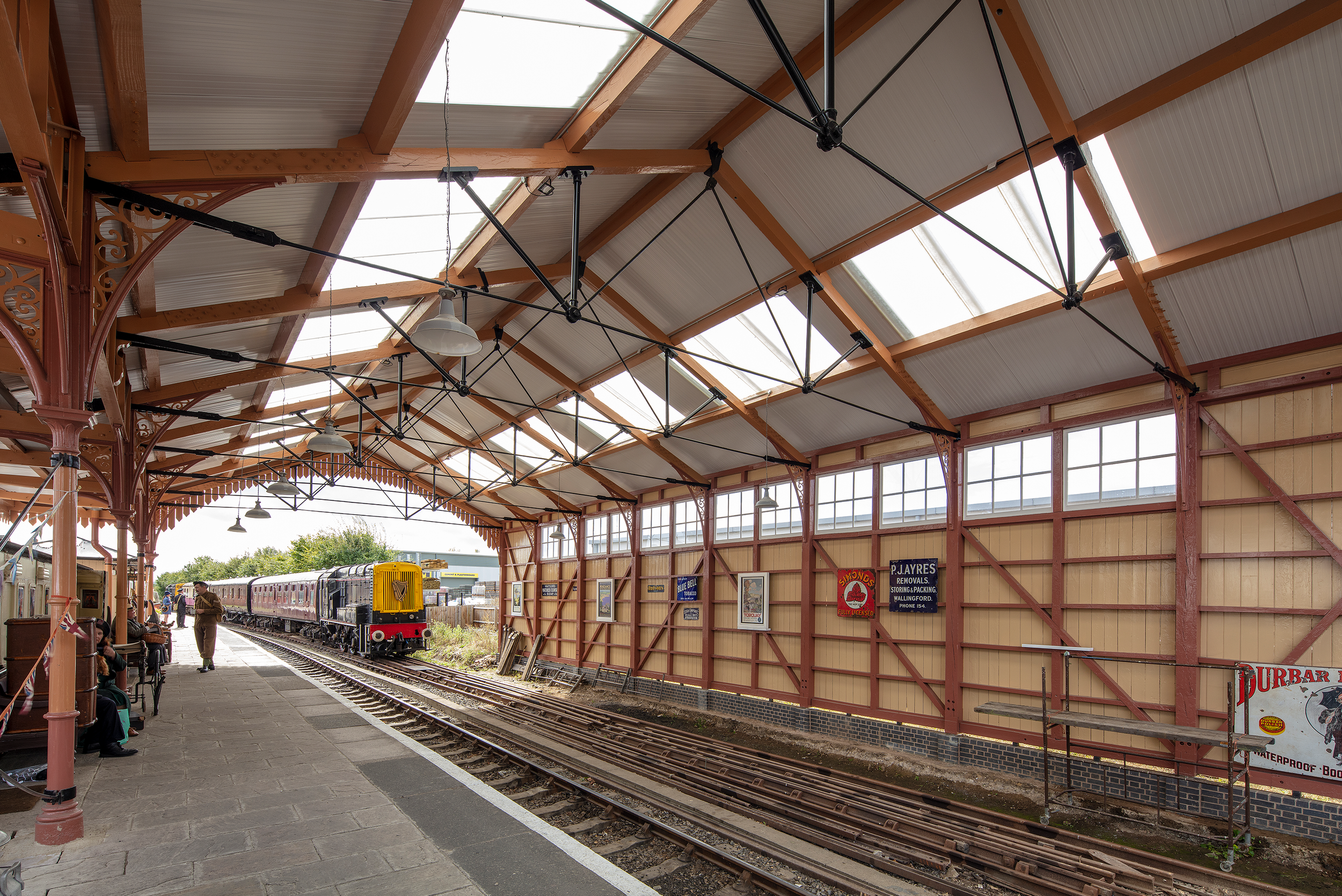
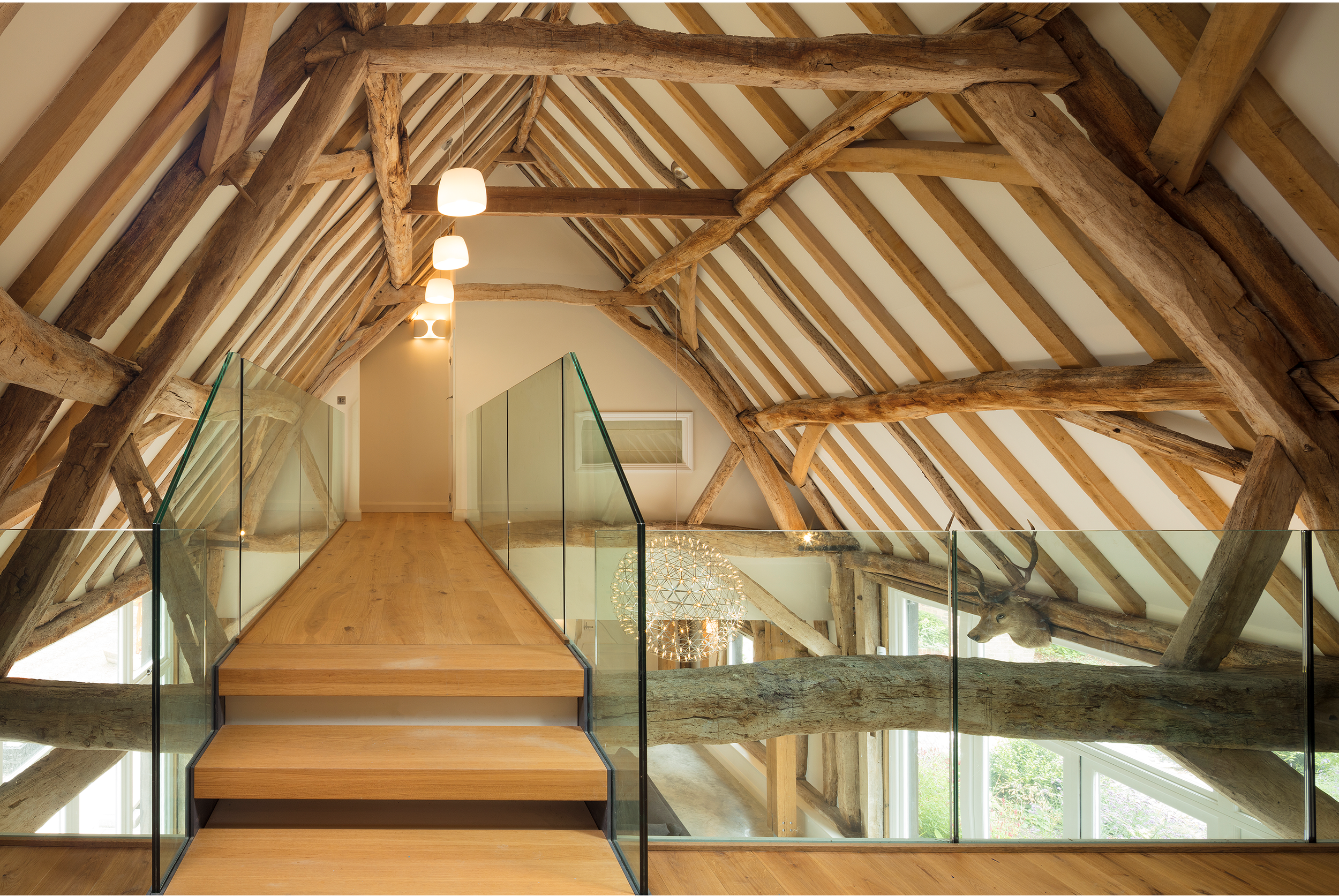
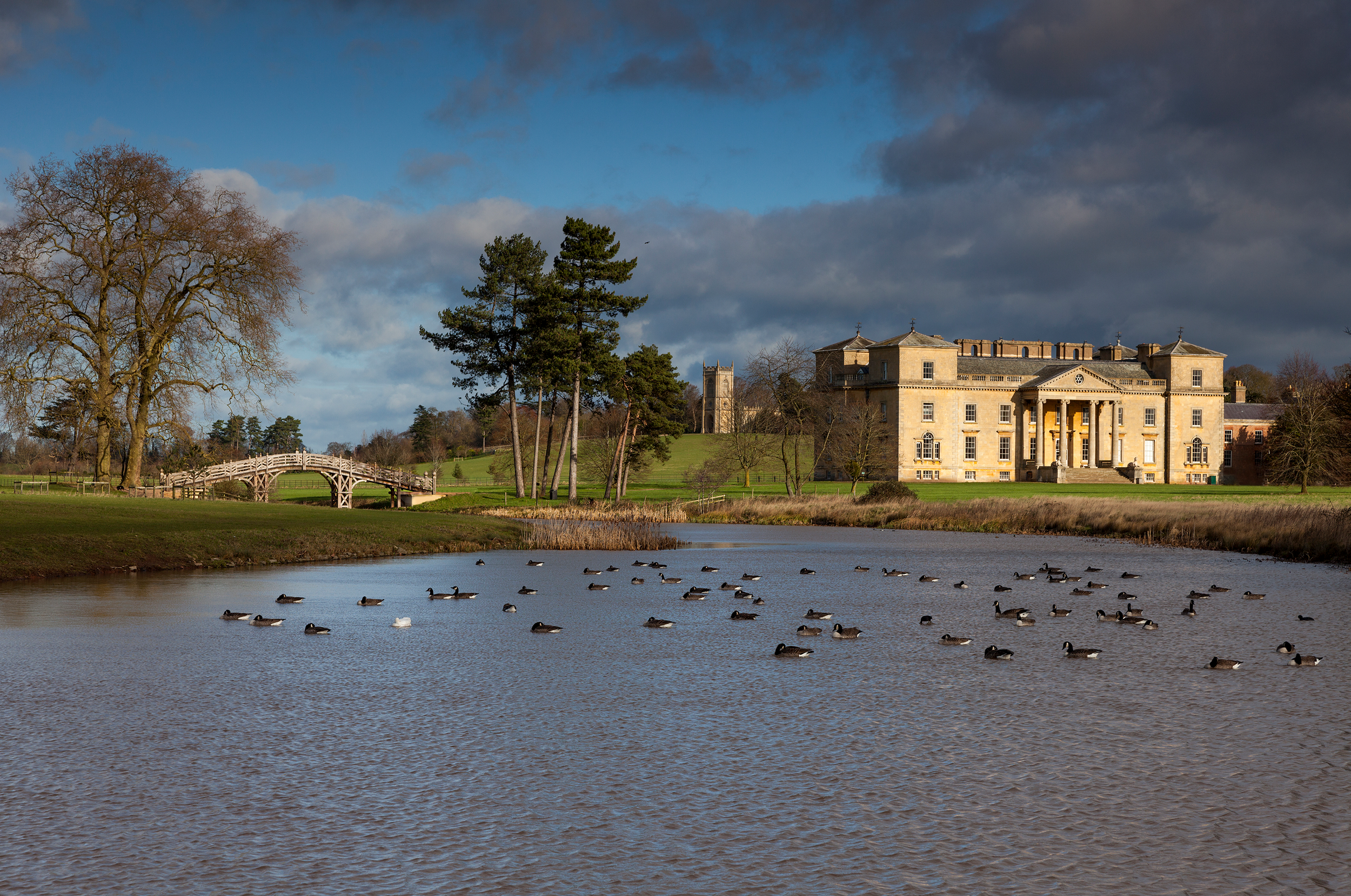
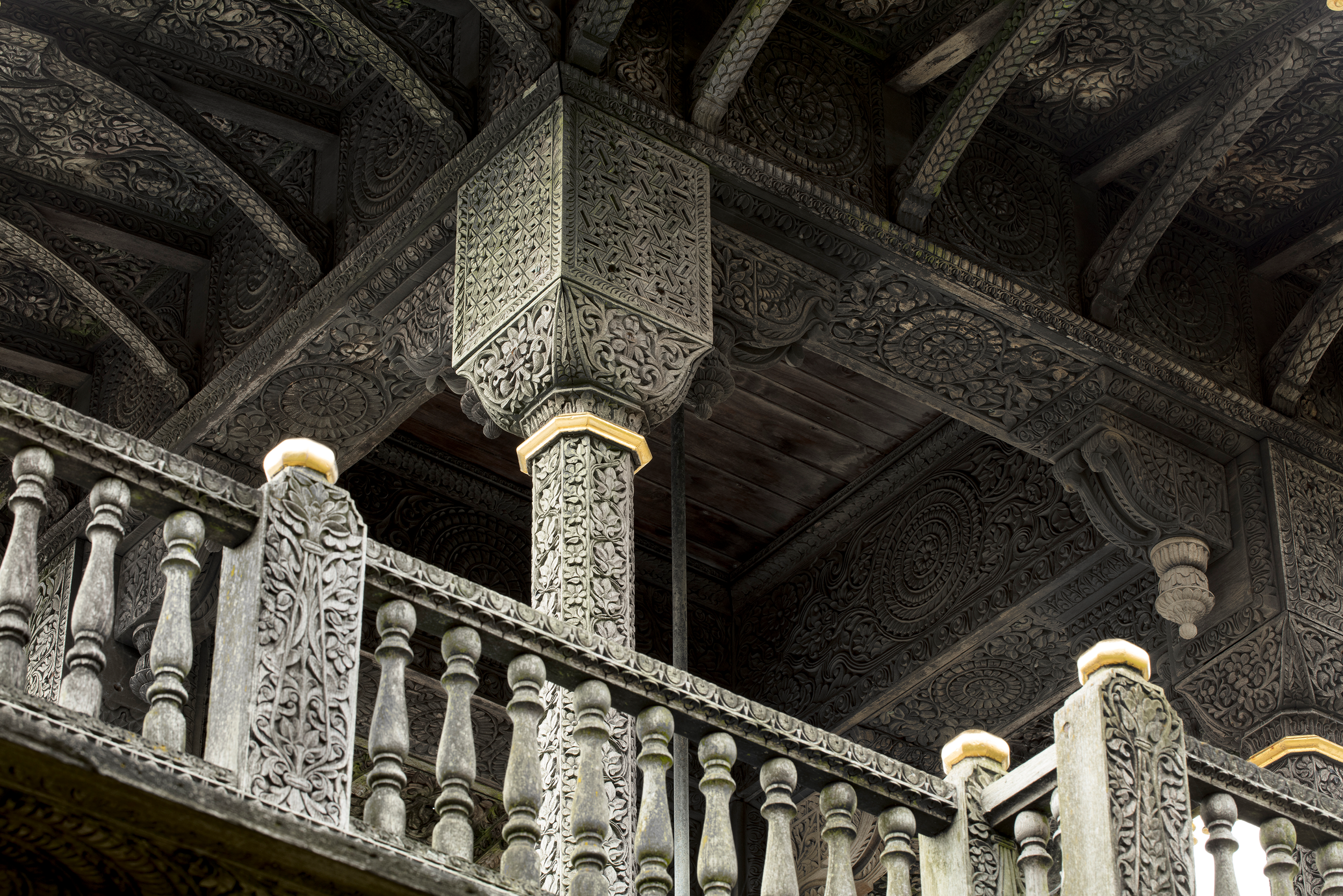
Projects associated with this work include the Jaipur Gate, Croome Bridge, the Cholsey and Wallingford Railway Canopy and the Burstow Park Farm Ox Byre.